
.png)

The GCC has become one of the most technologically advanced regions in the world in a remarkably short period of time. We are mobile-first, platform-native, and deeply embedded in digital life. From AI adoption to smart cities, the region is often described as future-ready.
Yet despite this progress, many brands in the region struggle to translate technological advancement into meaningful growth. Digital transformation is happening rapidly, but relevance is not always keeping pace.
What often gets overlooked is a simple truth: technology does not shape markets on its own. Human behavior does. And in the GCC, behavior is inseparable from culture.
The GCC is frequently spoken about as a unified digital market, but the reality on the ground is far more complex. While access to technology is widespread, the way people use it varies dramatically across cities, age groups, and social contexts.
Many brands adopt advanced tools while operating with outdated assumptions. They invest in platforms but retain rigid approval structures. They automate content but hesitate to empower teams. The result is a mismatch between modern infrastructure and traditional thinking.
Technology evolves quickly in this region. Mindsets often lag behind.
Digital platforms are built to scale efficiency. Algorithms reward repetition, predictability, and speed. Culture, however, is emotional, nuanced, and constantly shifting.
When brands rely heavily on dashboards and automation without interpreting insights through a cultural lens, they risk misreading their audience. Engagement drops not because content is poorly produced, but because it lacks relevance.
I have seen brands triple their digital output using automation, only to see impact decline. The content looked polished and consistent, yet audiences disengaged. The technology worked exactly as intended. What was missing was human judgment.
Digital transformation should sharpen a brand’s identity, not flatten it.
Human behavior in the GCC reflects a unique blend of tradition and acceleration. Audiences here adopt new platforms quickly, yet remain deeply sensitive to tone, timing, and intent.
Behavior is influenced not only by convenience, but by trust, community perception, and social norms. These drivers rarely appear clearly in analytics, but they play a decisive role in how content is received.
Brands that understand this recognize that behavior cannot be reduced to clicks or conversions alone. It must be observed, interpreted, and respected.
A common mistake brands make is treating culture as a creative layer applied at the end of a digital strategy. In the GCC, culture must come first.
Language choices, visual symbolism, humor, pacing, and context all carry meaning. What feels confident in one market may feel excessive in another. What feels playful in one city may feel inappropriate in the next.
Technology allows brands to speak louder. Culture determines whether people listen.
Digital platforms move fast, and trends move even faster. It is tempting for brands to chase formats, sounds, and visual styles that perform well elsewhere. But when digital strategy is driven by trends rather than values, coherence disappears.
Authenticity does not mean rejecting trends outright. It means filtering them through identity. Brands that understand who they are can adapt trends in a way that feels natural. Brands that do not often feel forced.
Audiences today are highly perceptive. They can sense when a brand is trying too hard to fit in. In contrast, brands that stay grounded build trust and long-term relevance.
Before adopting any digital trend, ask whether it strengthens your identity or dilutes it.
Global relevance does not come from uniformity. It comes from clarity.
Some of the most compelling brands resonate beyond borders because they are deeply rooted in local understanding. In the GCC, localization is not about translation. It is about insight.
When brands reflect real behavior, social rhythms, and cultural nuance, their content feels human. And when it feels human, it travels.
Local insight should shape strategy from the beginning, not be added after execution.
AI, automation, and data tools have transformed how brands operate. Used well, they increase speed and precision. Used without context, they increase noise.
In the GCC, timing, tone, and interpretation matter as much as reach. Technology should support creativity and judgment, not replace them.
Technology should amplify clarity and relevance, not volume alone.
Several misconceptions consistently undermine digital efforts in the region:
Digital transformation is not about doing more. It is about doing what matters more clearly.
When thinking about digital strategy in the GCC, I often rely on a simple three-layer model:
When brands reverse this order, transformation becomes disruptive in the wrong way. When they respect it, growth becomes sustainable.
Digital transformation is not a marketing initiative. It is a leadership responsibility.
Leaders determine whether teams are empowered or constrained. Whether insight is valued over assumption. Whether technology is used thoughtfully or reactively.
I have seen brands invest in advanced tools while maintaining approval chains that slow execution to a crawl. The technology was modern. The decision-making was not.
Leadership must evolve alongside tools.
Several signals are becoming increasingly clear:
Brands that recognize these shifts early will define the next phase of relevance in the region.
The GCC is entering a new phase of digital maturity. Access to technology is no longer a differentiator. Understanding people is.
Brands that rely solely on tools will struggle. Brands that rely solely on tradition will stagnate. The future belongs to those that understand how technology, culture, and human behavior intersect.
Digital transformation should not make brands less human. It should allow humanity to scale with intention.
In a region moving as fast as the GCC, relevance will not be won by those who adopt technology first, but by those who understand people best.
Handles:
https://www.instagram.com/majdfakhry/
https://www.instagram.com/melononline.co/
https://www.wearemelon.com/melon-online
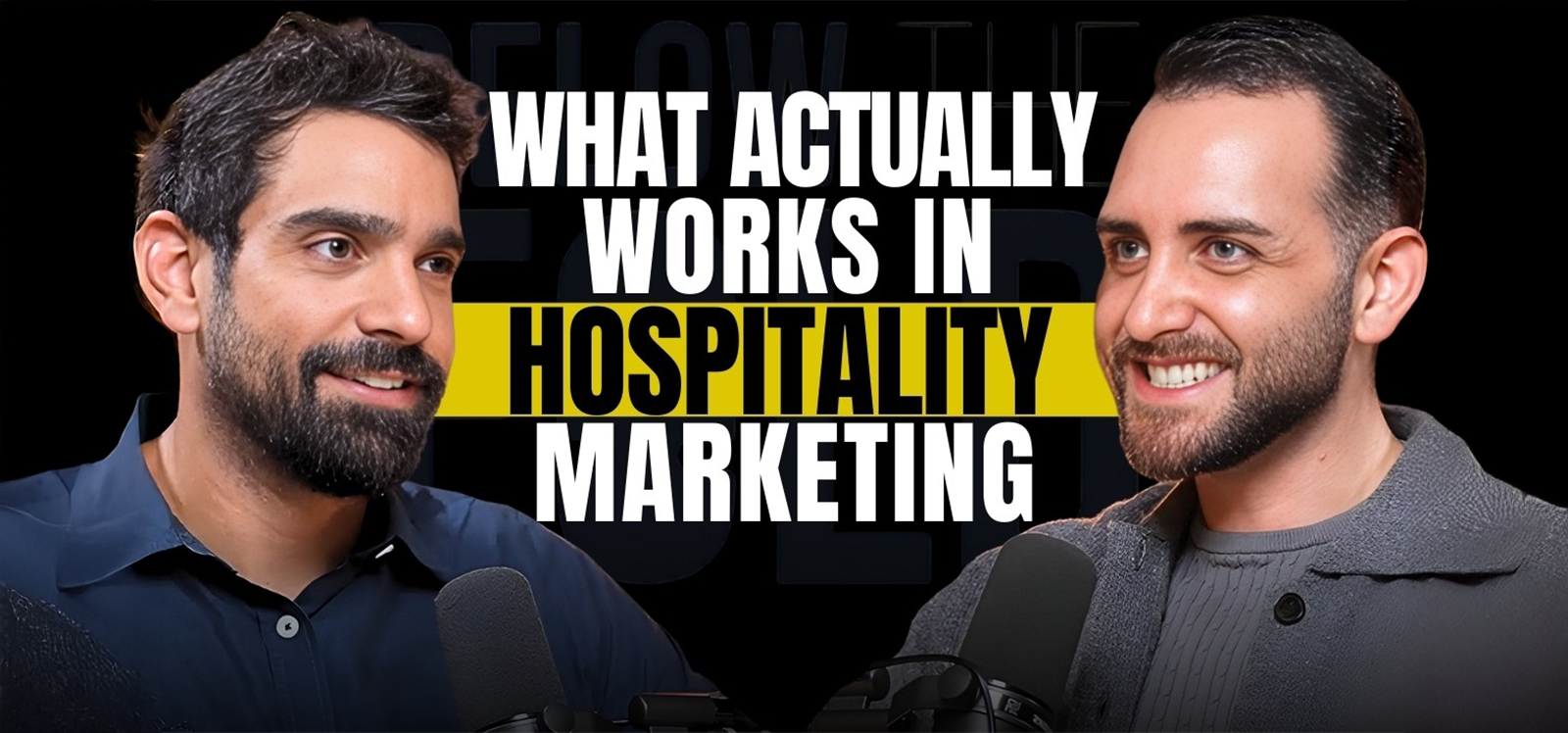

Hospitality marketing is one of the hardest games to win.High competition. Tight margins. Constant demand for footfall.In this episode of Below the Fold, Majd Fakhry breaks down how hospitality brands can actually grow using creator marketing, performance ads, and data-led strategies that go beyond vanity metrics.
We talk about:
• What really drives restaurant footfall.
• Why UGC and creators outperform polished brand ads.
• How to track ROI in hospitality (even offline).
• The role of performance marketing vs creative content.
• Client-agency dynamics and building trust that delivers resultsWhether you’re a restaurant owner, marketer, or agency working in F&B, this conversation offers practical insights you can apply immediately.


Melon Online has been appointed to lead the digital marketing strategy for Society by SoFleur, a design-led restaurant concept in Riyadh known for its aesthetic-led positioning and social-first approach.
The digital marketing agency will support the brand’s online growth, with a focus on strengthening its content strategy, digital storytelling and audience engagement across platforms. The remit centres on refining Society by SoFleur’s digital ecosystem to ensure it reflects the brand’s positioning as a lifestyle-led dining destination, while remaining culturally relevant and native to digital behaviour in the Saudi market.
Rather than repositioning the brand, the approach focuses on amplifying its existing identity through cohesive visual language, consistent storytelling and considered content planning. The aim is to enhance visibility, encourage meaningful interaction and support long-term brand growth within Riyadh’s competitive hospitality landscape.
“Our objective is to translate Society by SoFleur’s unique atmosphere and brand ethos into a compelling digital presence,” said Majd Fakhry, Managing Partner at Melon Online. “The focus is on building an authentic online identity that connects with the audience in a way that feels natural, relevant, and aligned with how people discover and engage with lifestyle brands today.”
The appointment reflects Melon Online’s growing footprint within Saudi Arabia’s lifestyle and hospitality sectors, as more brands turn to digital-first strategies to build relevance and community. Society by SoFleur continues to strengthen its positioning in Riyadh, with Melon Online supporting its digital presence to drive consistency, relevance and sustained engagement across key platforms.

“The region rewards those who show up consistently, improve relentlessly, and build with intention.”
When I launched Melon Online as an independent agency in the UAE in 2020, it started as a small idea created between coffee shop tables and late nights filled with hope, not certainty. I did not have a huge team or investor backing. What I had was belief, a laptop, and the conviction that creativity could be done differently in the GCC.
“The region rewards those who show up consistently, improve relentlessly, and build with intention.”
When I launched Melon Online as an independent agency in the UAE in 2020, it started as a small idea created between coffee shop tables and late nights filled with hope, not certainty. I did not have a huge team or investor backing. What I had was belief, a laptop, and the conviction that creativity could be done differently in the GCC.
My first few clients were won through trust, not scale. Today, we have worked with more than 170 brands across Saudi Arabia and the UAE including government, lifestyle, hospitality, and fast-moving consumer goods. And the journey was not fast or easy—it was built step by step through people, culture, and consistency.
Growing an independent agency in this region taught me lessons no business book could prepare me for. Here are five that shaped Melon Online—and that continue to guide how we operate and grow:
In our industry, talent is not a department. It is the product. You can have processes, tools and strategy, but without a team that is creative, strategic and hungry for better work, growth is limited. Some of our most impactful ideas were born from open conversations, not structured meetings.
For instance, when we developed the content world for MILAF Cola, the first cola created under the banner of Saudi Arabia’s Public Investment Fund (PIF), our team designed the visual identity and storytelling to speak directly to what’s been called Tribe Zero, a defined youth and Gen Z target segment. By aligning creativity with this audience’s cultural language, the brand came to life in a meaningful way.
The key takeaway: hire thinkers, not executors. A strong team multiplies growth.
The GCC is diverse in culture, mindset, and behavior. What excites a consumer in Riyadh may not resonate the same way in Dubai. The best creative decisions come from multiple backgrounds at one table.
At Melon Online, our diverse talent pool brings different instincts and reference points. A Kuwaiti designer sees lifestyle differently from a Lebanese art director. A Saudi strategist notices cultural cues that an expat might overlook. This is how campaigns become authentic rather than generic.
Diversity is therefore not a checkbox. It is a business advantage.
Read More:How Diversity Can Catalyze Innovation In The MENA Region
Success in the GCC is relational. People work with people they trust. Pitch decks help, but familiarity closes deals. Early in our journey, most of our clients came from relationships that began with conversations, not official requests for proposals.
But building a network here requires presence, reliability and delivery. Retention is earned through transparency, quality work and consistency over months, not a single campaign. Many of our clients continue to work with us year after year, because they know we show up when it matters.
In this region, loyalty is currency. Nurture it.
The GCC is always connected. Responses are expected quickly, and collaboration often happens in real time. Being reachable, clear, and proactive sets the agency apart. Silence creates doubt. Communication creates confidence.
At Melon Online, communication is not something we do at the end. It is integrated from the start: briefing, ideation, production, rollout. Clients feel informed, supported and involved. That alone turns projects into partnerships.
So, communicate early, often, and clearly. Fast response builds trust.
Everyone says they do creative, digital, and content. The real question is what makes your agency irreplaceable. At Melon Online, our differentiator is culturally fluent storytelling designed for measurable growth. We work like strategists and create like artists.
Standing out means having a signature. It could be creative style, speed, niche specialization, or innovation. Do something better than anyone else, and let the market speak for you.
At the end of the day, do not try to be everything. Be exceptional at something.
Scaling an independent agency in the GCC taught me that growth is not about being big. Growth comes from being valuable. It comes from people who care, ideas that stand out, communication that builds trust and relationships that last. The region rewards those who show up consistently, improve relentlessly, and build with intention.
The future of agencies here belongs to the bold. Not the biggest, but the sharpest. Creativity wins when it is human. Business grows when it is personal.
Growth is not built on scale. It is built on skill.
Majd Fakhry is the Managing Partner of Melon Online, leading creative and digital transformation projects across the GCC. He specializes in culturally fluent branding, youth-driven storytelling, and strategic growth for brands across Saudi Arabia and the UAE.

Marketing in the GCC has never been more measurable, yet somehow, less meaningful. We can now track every click, impression, and conversion in real time, but in the process, many brands have lost sight of what those numbers represent: people.
Behind every campaign metric is a human story. Data tells us what happened, but empathy tells us why it happened. In a region as culturally layered and fast-moving as the GCC, understanding the “why” is everything.
Over the past decade, I have seen the Middle East’s marketing landscape transform dramatically. Automation, Data analytics, and AI have redefined our industry. Yet, the most successful campaigns I have encountered were not the most data-driven, but the most human centric. They were built on listening, observation, and understanding, not just targeting.
Too often, brands optimise for performance without truly connecting. A campaign can deliver impressive reach and engagement yet fail to resonate. That is because effective marketing begins not with data, but with empathy: the ability to feel what your audience feels and translate that understanding into creative action.
Take Saudi Arabia, where national pride and cultural confidence have become central to storytelling in the Vision 2030 era. Or the UAE, where audiences respond to innovation, aspiration, and lifestyle-driven narratives. Each GCC market demands its own nuance, cultural fluency, and emotional intelligence. Data can tell you where your audience is, but only empathy tells you how to speak to them.
When empathy drives strategy, creativity becomes sharper and data becomes more meaningful. Numbers start to tell stories. Insights move beyond behavior into emotion, helping brands design messages that feel personal rather than programmatic.
At Melon Minds, we have built our approach around this belief. As a boutique, independent agency, we do not compete on size; we compete on understanding. Agility allows us to stay close to our clients and, more importantly, their customers. We spend time listening, immersing ourselves in their world, and designing campaigns that reflect local sentiment rather than global trends.
Independent agencies across the region are quietly reshaping the creative landscape for this reason. Boutique teams are faster, more adaptable, more reachable, and more invested in client success. Without layers of process or hierarchy, ideas move from insight to execution quickly and authentically. When you sit closer to your client, you sit closer to their consumer, and that proximity breeds empathy.
Performance marketing will always have its place. It gives structure, accountability, and measurable outcomes. But purpose gives performance meaning. The brands that will thrive in the GCC are those that can combine both, using empathy to guide creative instincts and data to refine decisions.
Empathy-driven marketing is not emotional; it is strategic. It shapes tone, timing, and language. It helps brands design experiences that feel relevant, not forced. It is what transforms a campaign from transactional to relational, from performance to purpose.
As technology continues to evolve, empathy will remain the one skill machines cannot replicate. The GCC’s marketing future will not belong to the loudest brands, but to the most understanding ones that combine creativity, culture, and emotional intelligence to drive growth.
Algorithms can predict behavior, but only empathy can inspire it. In the end, the smartest strategy in marketing is still the most human one.
By Majd Fakhry, Managing Partner at Melon Minds


